
Butterflies add color and movement throughout the gardens. Explore some of the species that have been observed at Clark Gardens, from familiar garden visitors to butterflies you may have to look a little closer to spot.
Take a closer look at some of the butterfly species that have been observed throughout Clark Gardens.*
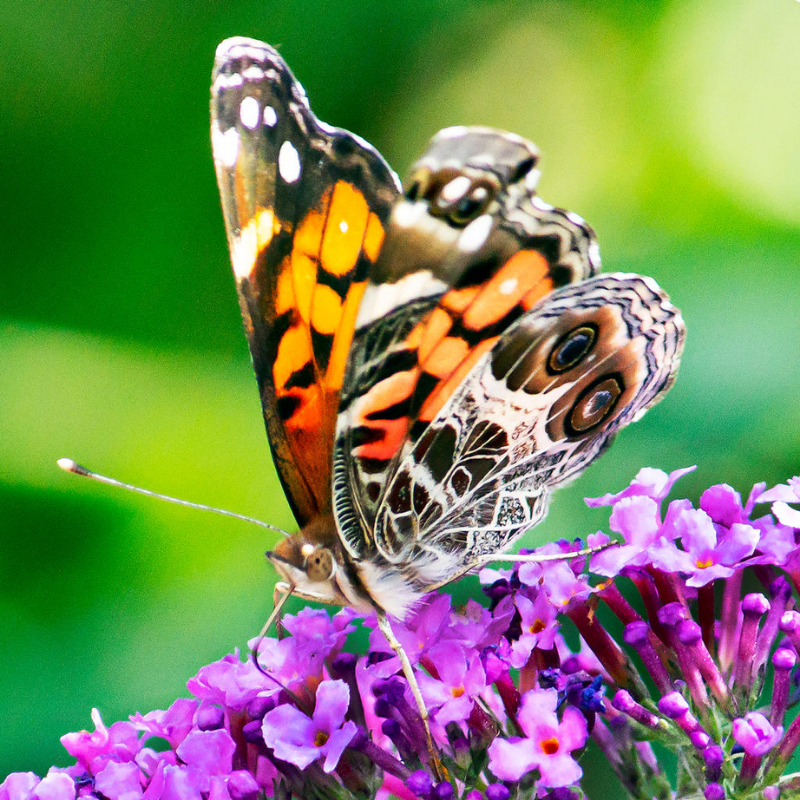
Vanessa virginiensis
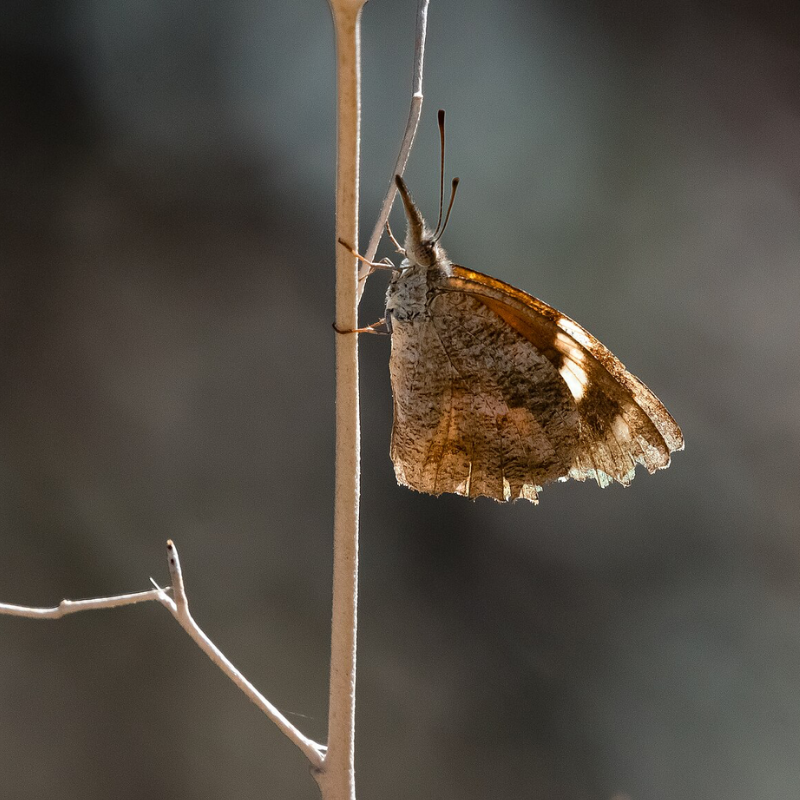
Libytheana carinenta
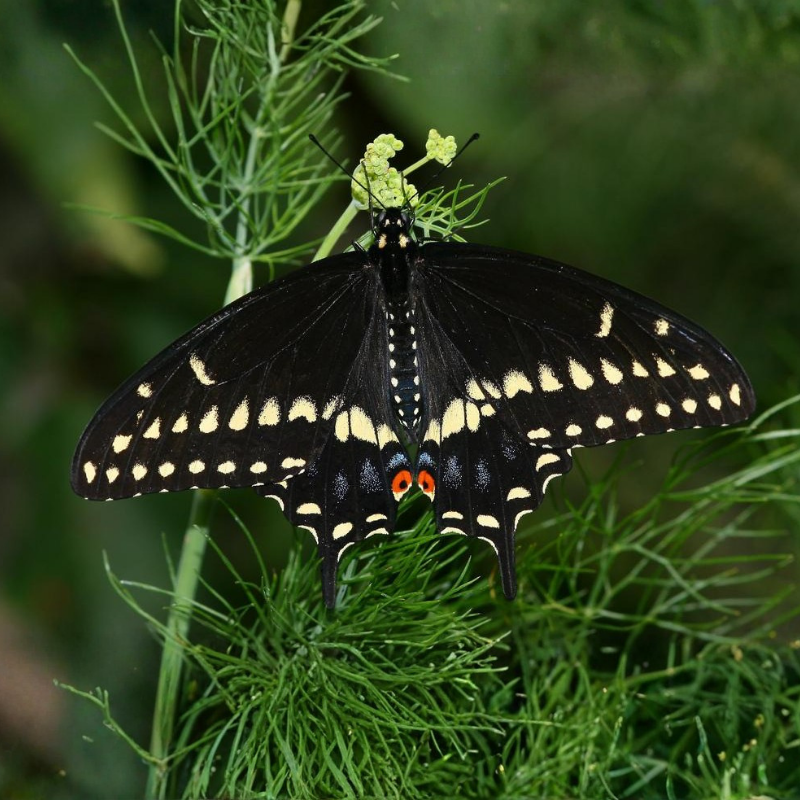
Papilio polyxenes
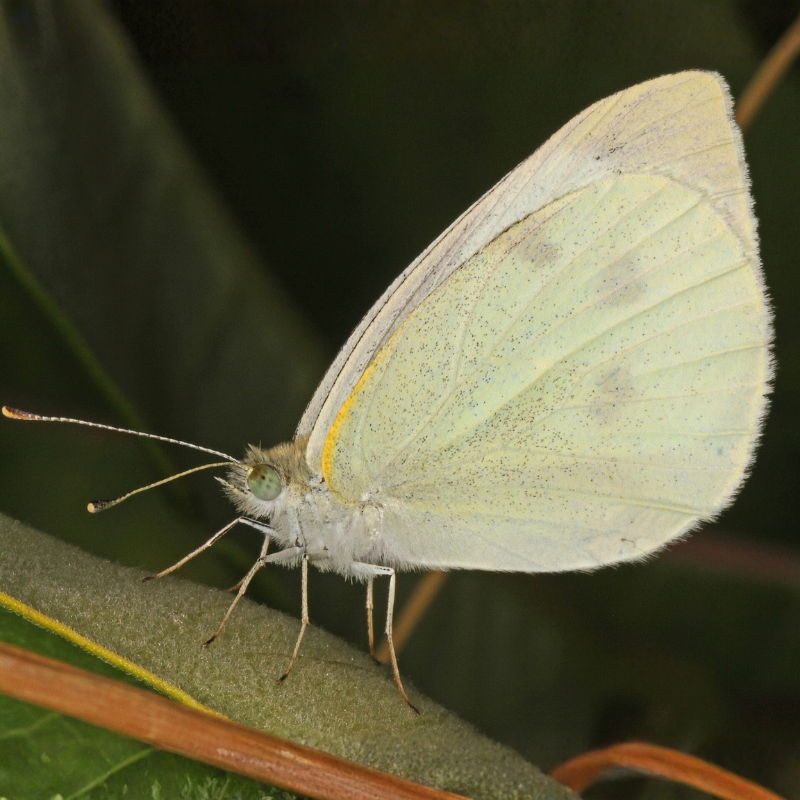
Pieris rapae
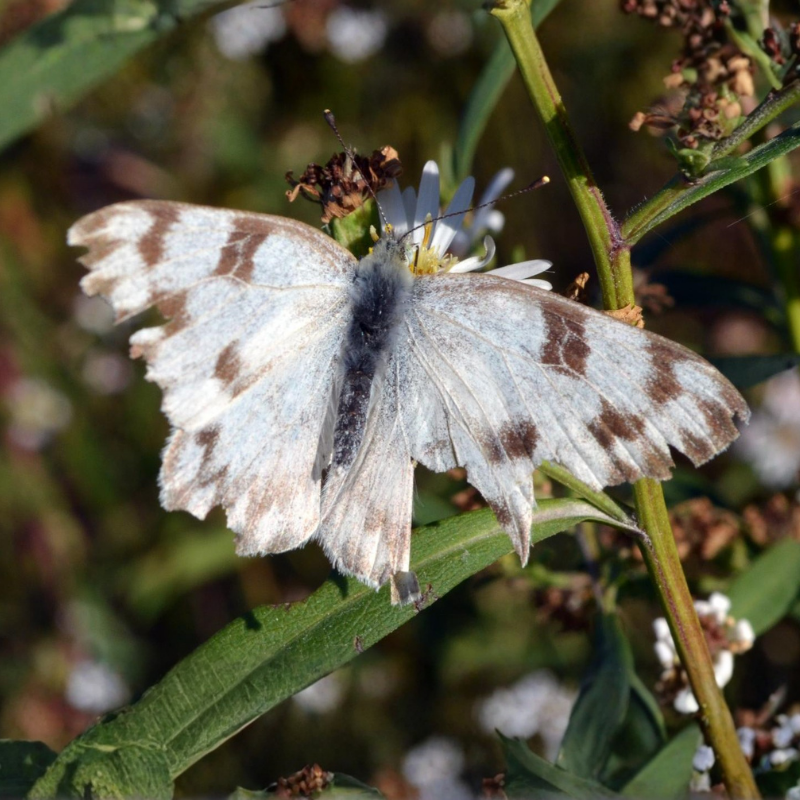
Pieris protodice
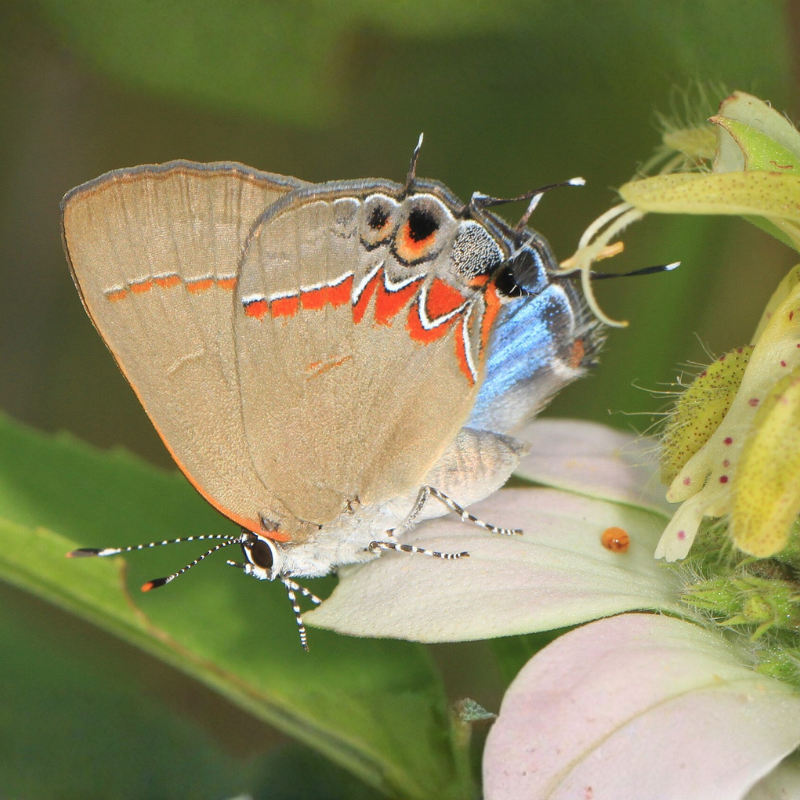
Calycopis isobeon
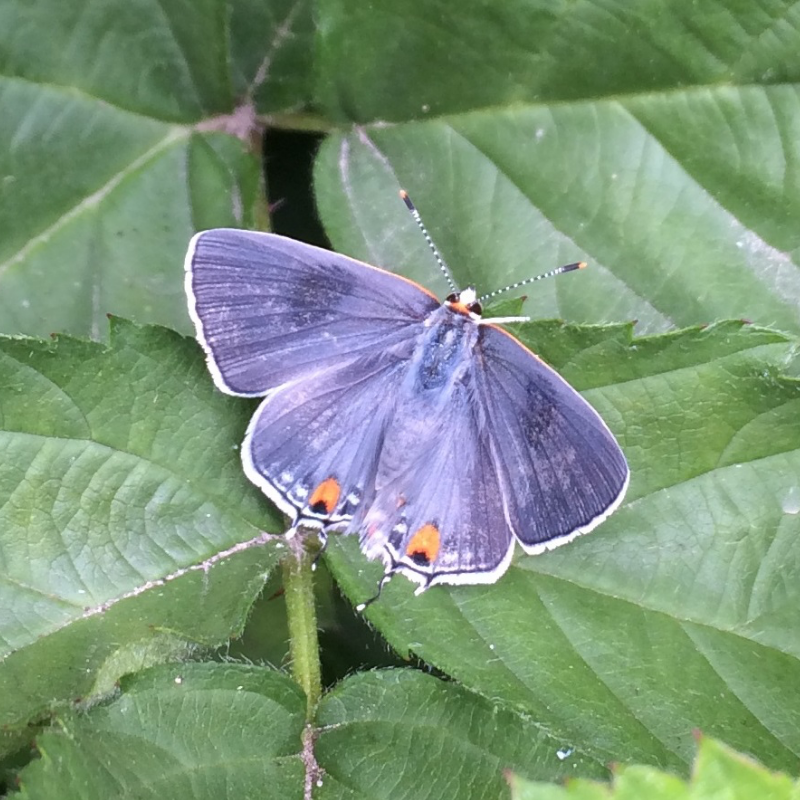
Strymon melinus
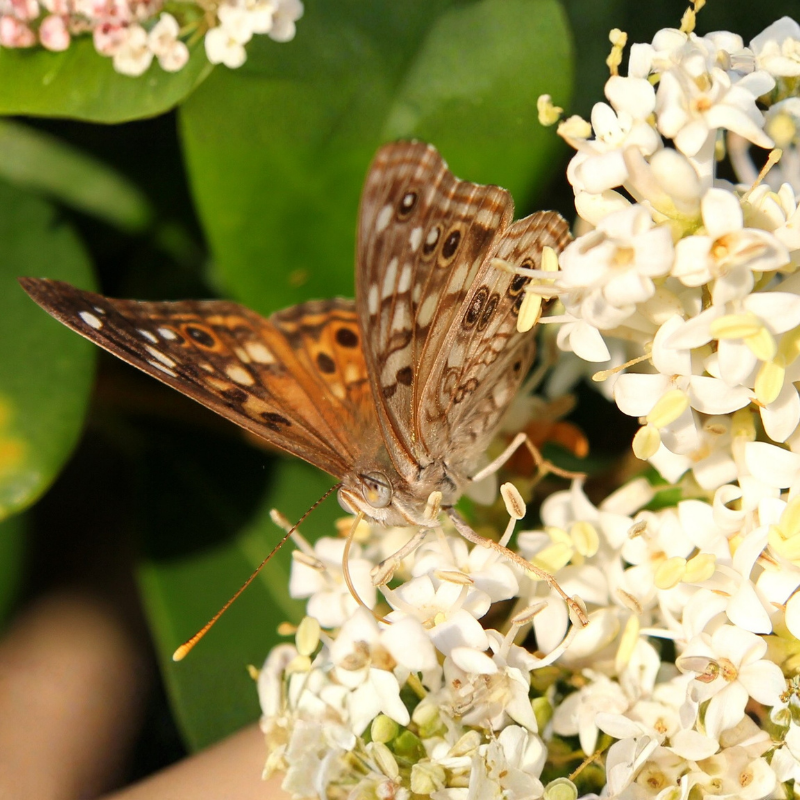
Asterocampa celtis
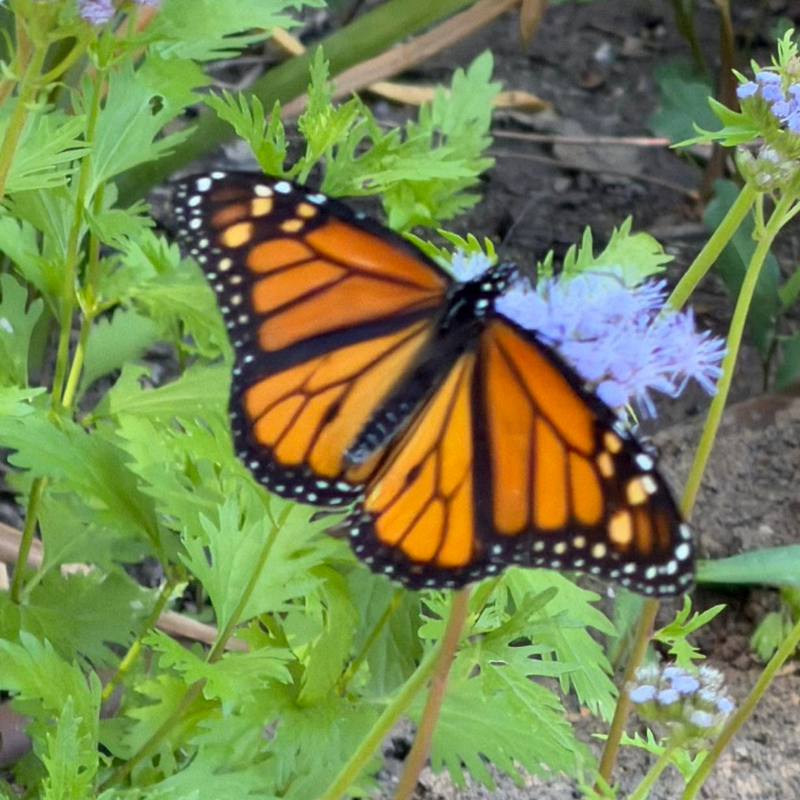
Danaus plexippus
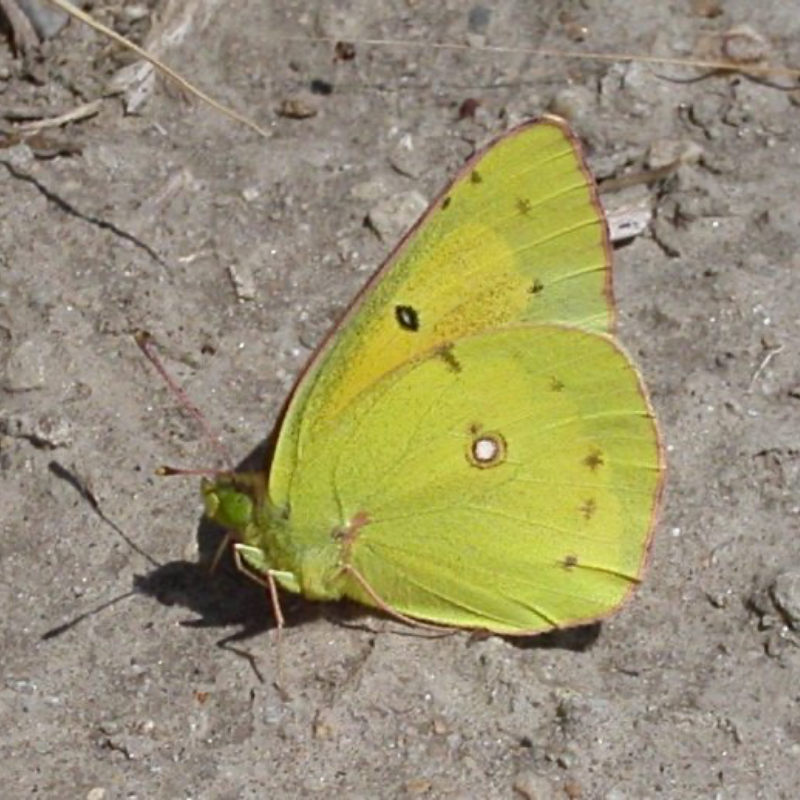
Colias eurytheme
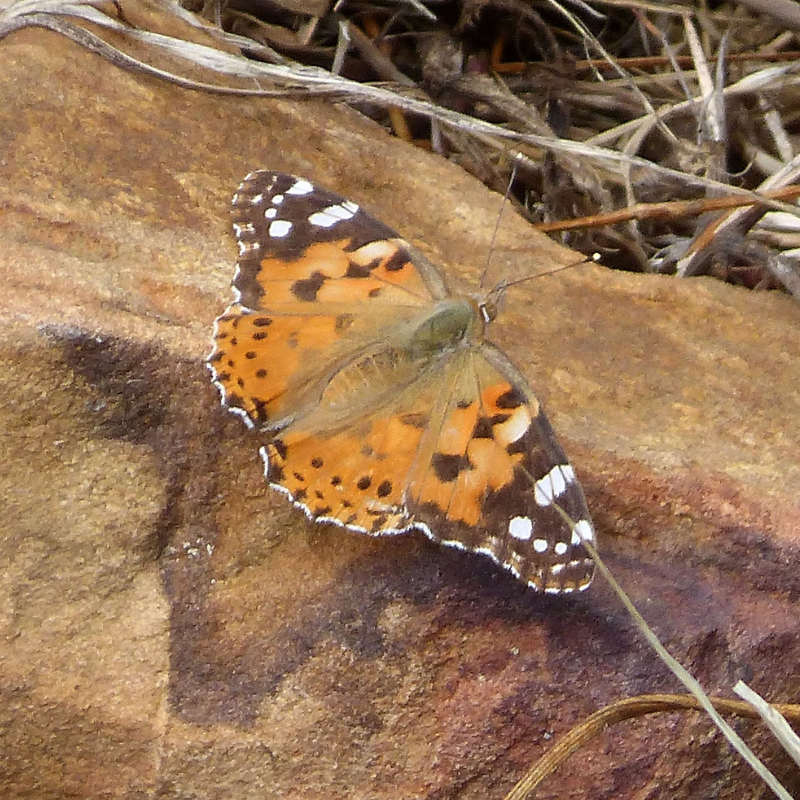
Vanessa cardui
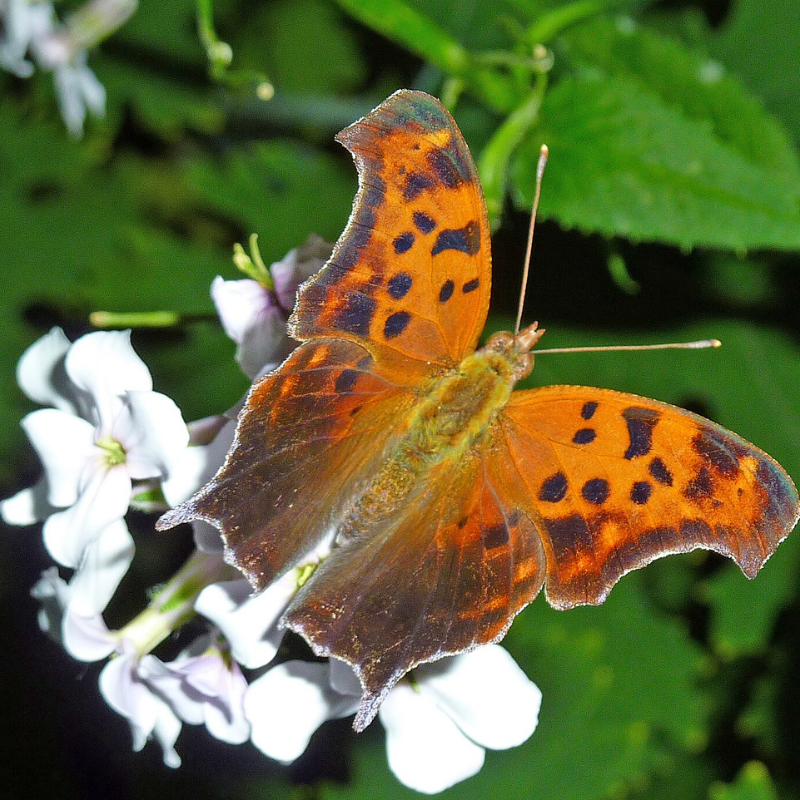
Polygonia interrogationis
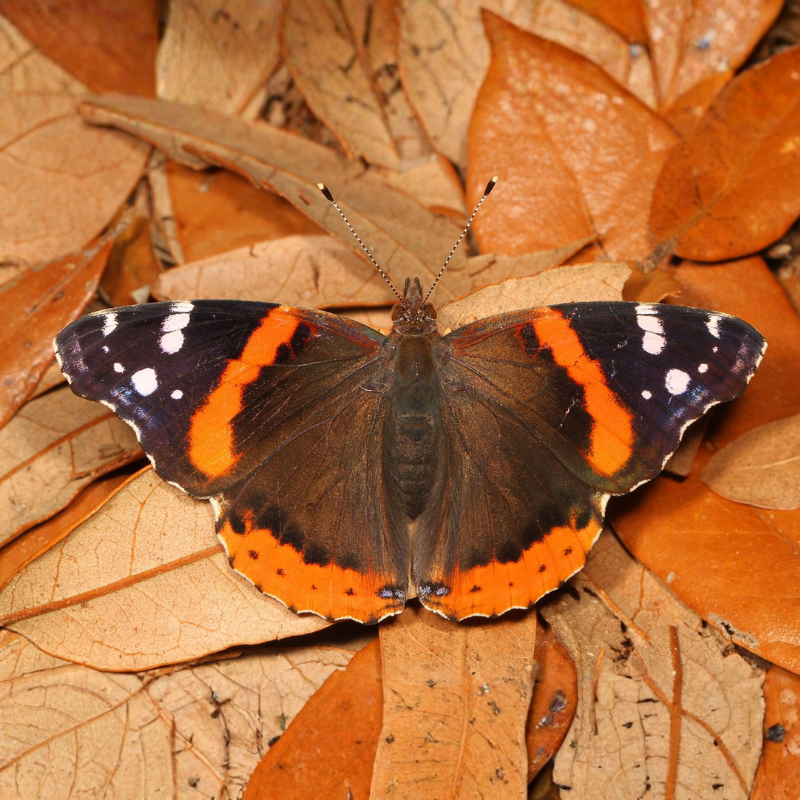
Vanessa atalanta
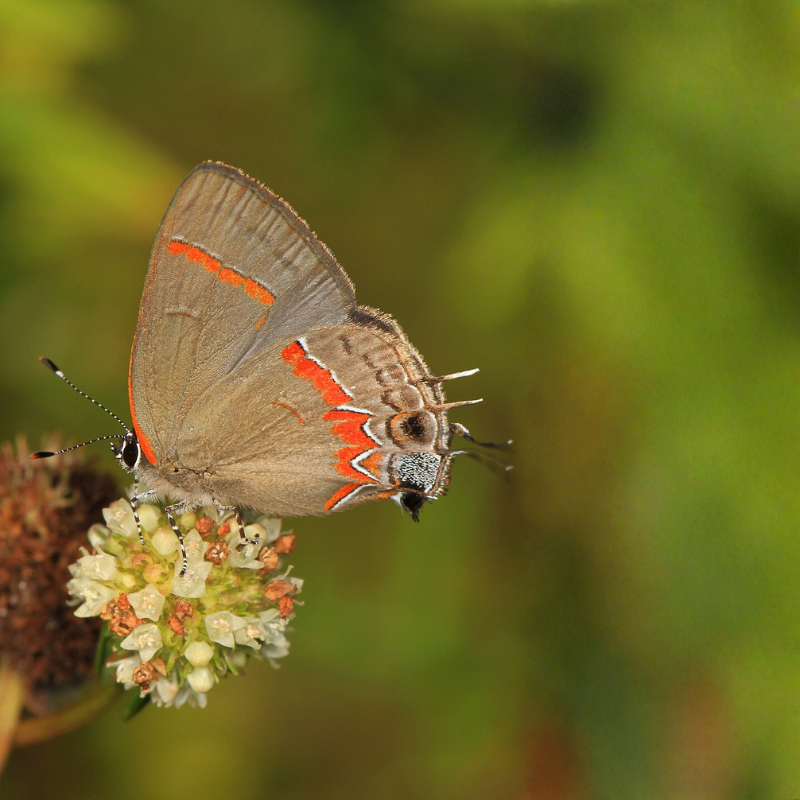
Calycopis cecrops
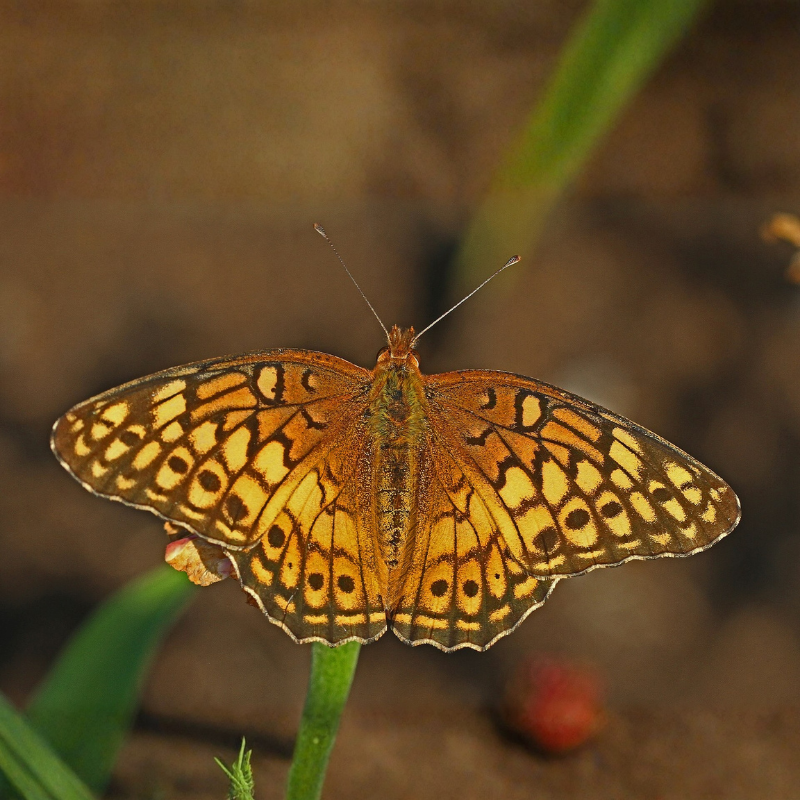
Euptoieta claudia
*The original butterfly species list was documented during a Friday Gulls field survey at Clark Gardens on May 7, 2010. This guide has been expanded to include additional butterflies known to visit the gardens. Butterfly presence varies by season, weather, and growing conditions.
**Photo Credits below.
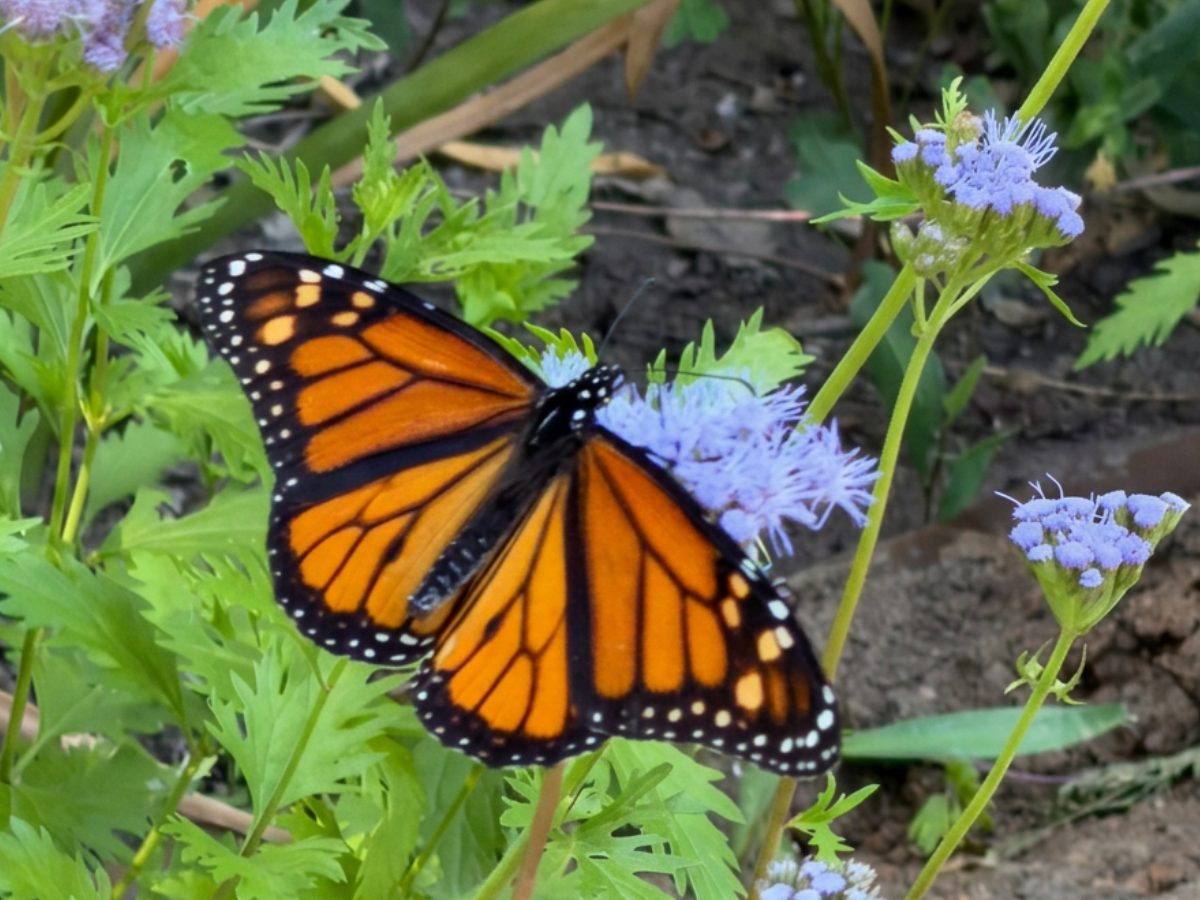
Each spring, Monarch butterflies make their way north through Texas as part of their remarkable annual migration. Clark Gardens lies along their journey, giving visitors the chance to spot these unmistakable orange-and-black travelers as they move through the area.
As they travel, Monarchs depend on flowering plants for nectar to fuel their journey and milkweed for reproduction and the next generation of butterflies.
Spring brings plenty of reasons to watch the gardens closely—you never know when a Monarch may flutter by.
Monarch butterflies depend on the right plants throughout their remarkable migration. Milkweed provides essential habitat for monarch caterpillars, while nectar-rich flowers fuel adult butterflies as they travel north in the spring and south toward Mexico in the fall.
Want to make your own garden more welcoming to monarchs? We've put together a printable plant list featuring host plants and nectar sources for both seasons, including common names, botanical names, and their role in supporting monarchs.
Download the Monarch Plant List (PDF) →

A garden full of flowers offers more than beauty. Nectar-rich blooms provide an important food source for adult butterflies, while host plants give certain species a place to lay their eggs and provide food for growing caterpillars.
As different plants come into bloom throughout the seasons, the garden becomes a changing landscape for butterflies to visit, feed, and continue their life cycle.
Butterfly identification photographs above were sourced through Wikimedia Commons and have been cropped and/or resized for display.